
There were a few games that came to mind from my earlier days in childhood that inspired mechanics I wanted to have in Nori Tetsu!. I felt that leaning on the kinds of gameplay loops that consumed much of my time when I was younger would make it easier to drill down on the specifics of Godot and how to use it. This was a sandbox learning space, after all.
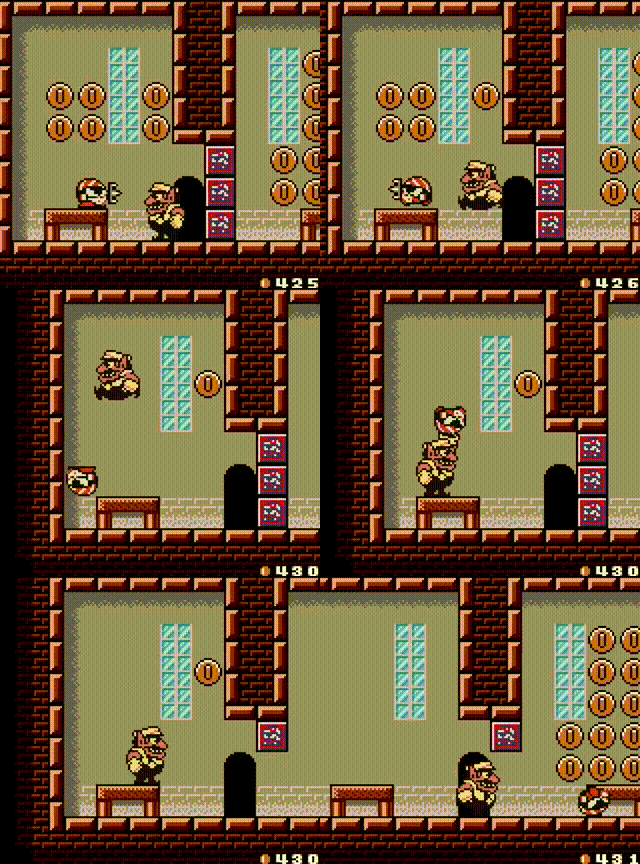
First was Wario Land 2 and Mario Bros 2. I didn't want Nori to simply hop on enemies to defeat them. Though that mechanic works well enough in the usual Mario-style games, something about it didn't feel like it suited the character of Nori well enough. I remember spending so much time playing this game precisely because the formula was different from what I remembered.
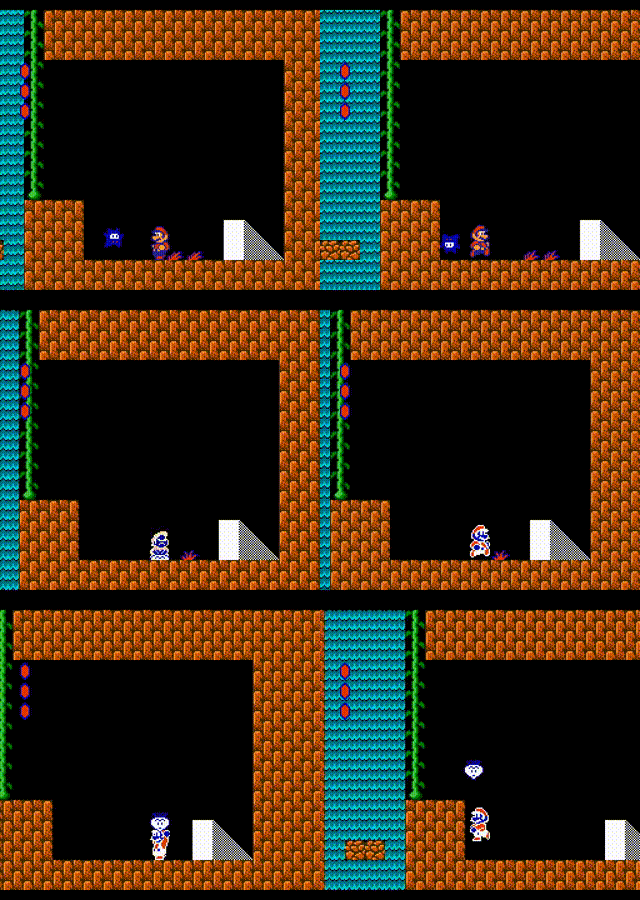
However, I wasn't quite as sure about having her throw enemies at each other the way Wario does. He is more of a villain character, most of the time, so I wanted to lean into a system a little closer to Mario Bros 2, specifically with the vegetables and other static items.
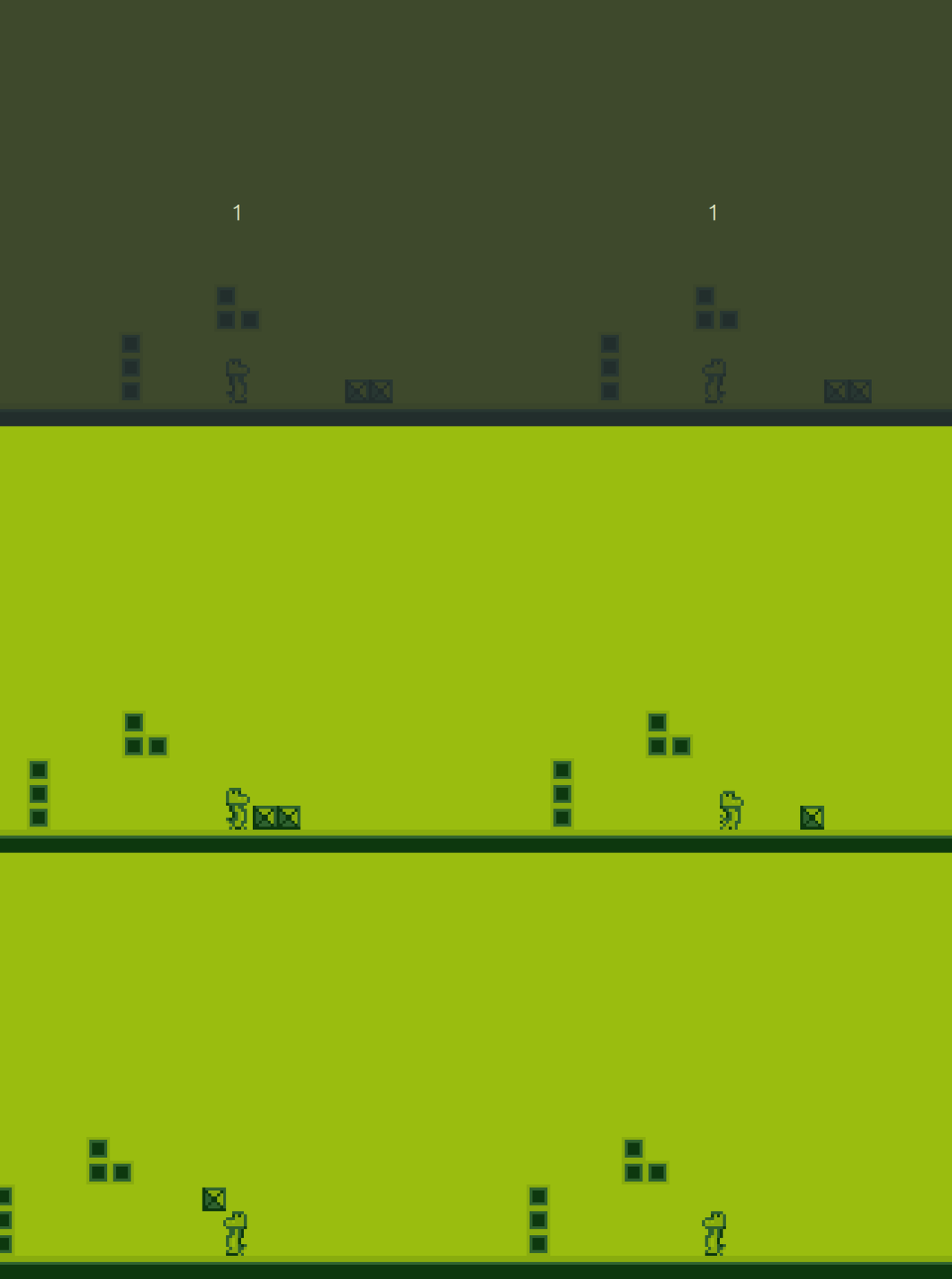
Though still in a very early state, Nori will lift and throw objects in her environment to damage enemies. Making the process of doing so feel good is important, so it will require tweaking over time to get the feel just right. Outside of those actions, the general weighty feeling that Wario tends to exhibit is how I want Nori to feel when controlled.
I wanted the player to be able to revisit stages, as well as tackle the four worlds in whichever order they desired. For this, I leaned into an overworld styled similar to Mario Land 2, with movement handled similar to Mario Bros 3. I had a strange fascination with Mario Land 2. Aside from maybe Pokemon, it was one of the games I played more than any other on my old black brick Gameboy.

I built an overworld node system for Nori Tetsu! that operates off a base Overworld Node, which itself inherits off Area2D. That particular node carries most of the logic that various other overworld node types would branch from: stage nodes, junction nodes, transition nodes for moving to sub-overworlds, etc. When Nori steps onto and off of any given node, they swap signals to handle where she can move and essentially apply flat velocity until she hits another node.
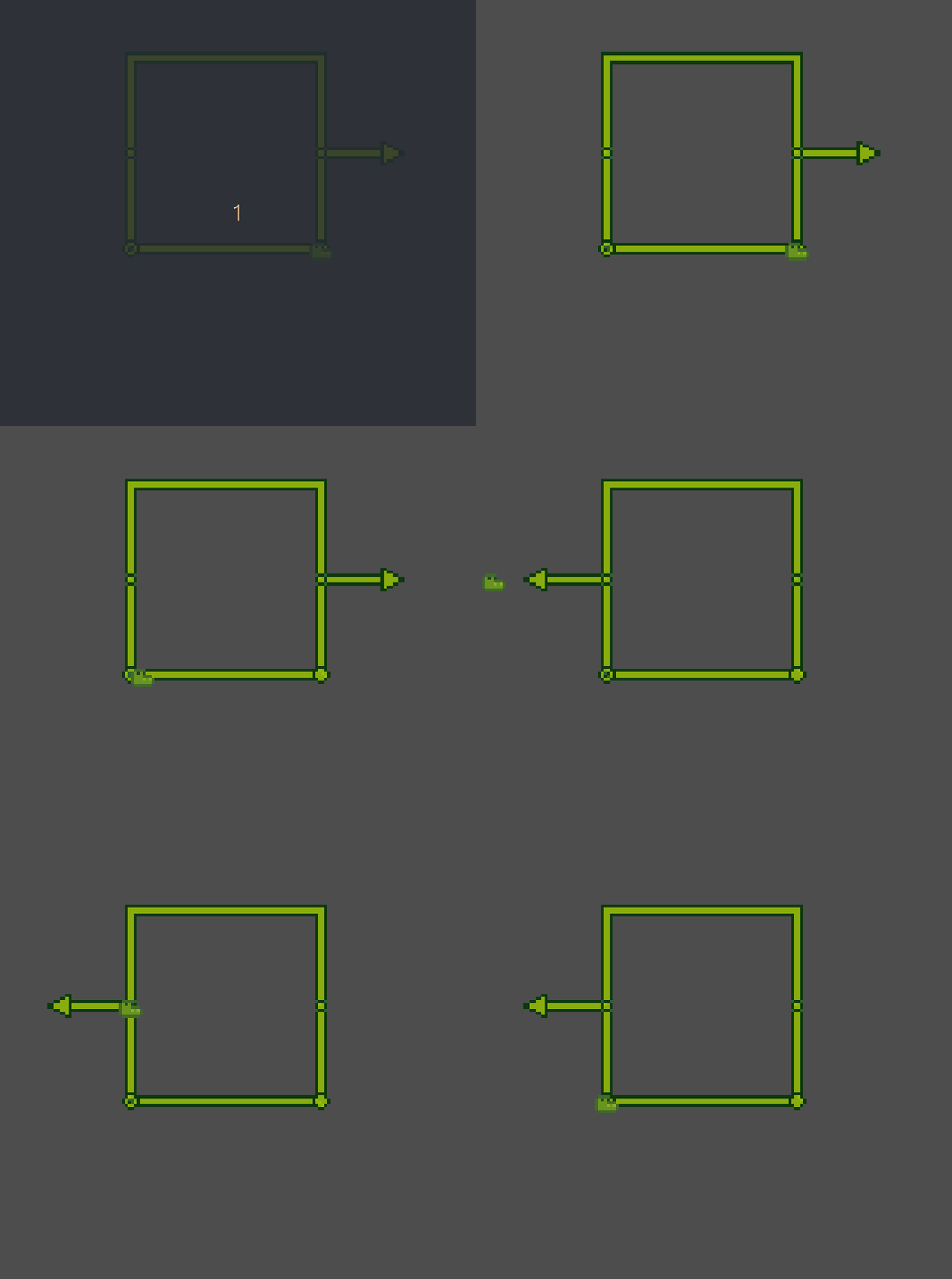
It wasn't a perfect engine, but it kept me moving. Stage Nodes correctly poll for their completion status off a SaveData singleton and allow unrestricted movement once completed. Junction nodes pause Nori until she decides on a direction to go. If I were to start from scratch, I'd consider exploring the Path2D node and see if that would work better, or I would try to lean more into Component structure that Godot seems primed for. I had dabbled with Entity Component Systems in the past, but not enough for that to jump out to me as something to try here. Part of me feels a Path2D node setup might almost feel too fluid for a game with this type of aesthetic. We'll keep it in mind for the inevitable Super Nori Tetsu later on.